

The 2026 Upfronts didn’t lead with flashy creative or celebrity partnerships. They led with measurement. Every major media buyer, from GroupM to Publicis, put ad measurement accuracy at the top of their negotiation checklist. The Association of National Advertisers (ANA) reported that 78% of buy-side executives now rank measurement transparency as their top media-buying criterion — up from 54% just two years ago (ANA Measurement Report, 2026). For Google Ads teams running PWA install campaigns, this shift isn’t abstract. It’s a direct signal that the performance advertising ecosystem is recalibrating around data quality, not just data volume.
So why should you, as a Google Ads buyer distributing PWAs on Android, care about what CTV buyers are demanding at the Upfronts? Because the same pressure — “prove every dollar works” — is trickling down to every channel. And PWA campaigns, as it turns out, have a structural measurement advantage that most teams aren’t using yet.
[INTERNAL-LINK: “Google Ads PWA Install Campaign Guide” -> pillar content on PWA install campaign setup]
→ Want to bypass Google Play entirely? See how ROiBest PWA works — no submission, no cut, 1.2x installs.
TL;DR: The 2026 Upfronts made measurement accuracy the industry’s top priority. For Google Ads teams running PWA campaigns, this is good news: PWA installs offer cleaner, server-side conversion data with fewer attribution gaps than native app installs. Teams using first-party tracking on PWA landing pages report up to 29% more accurate conversion attribution, according to Google Ads product benchmarks (Google Ads Help, 2026).
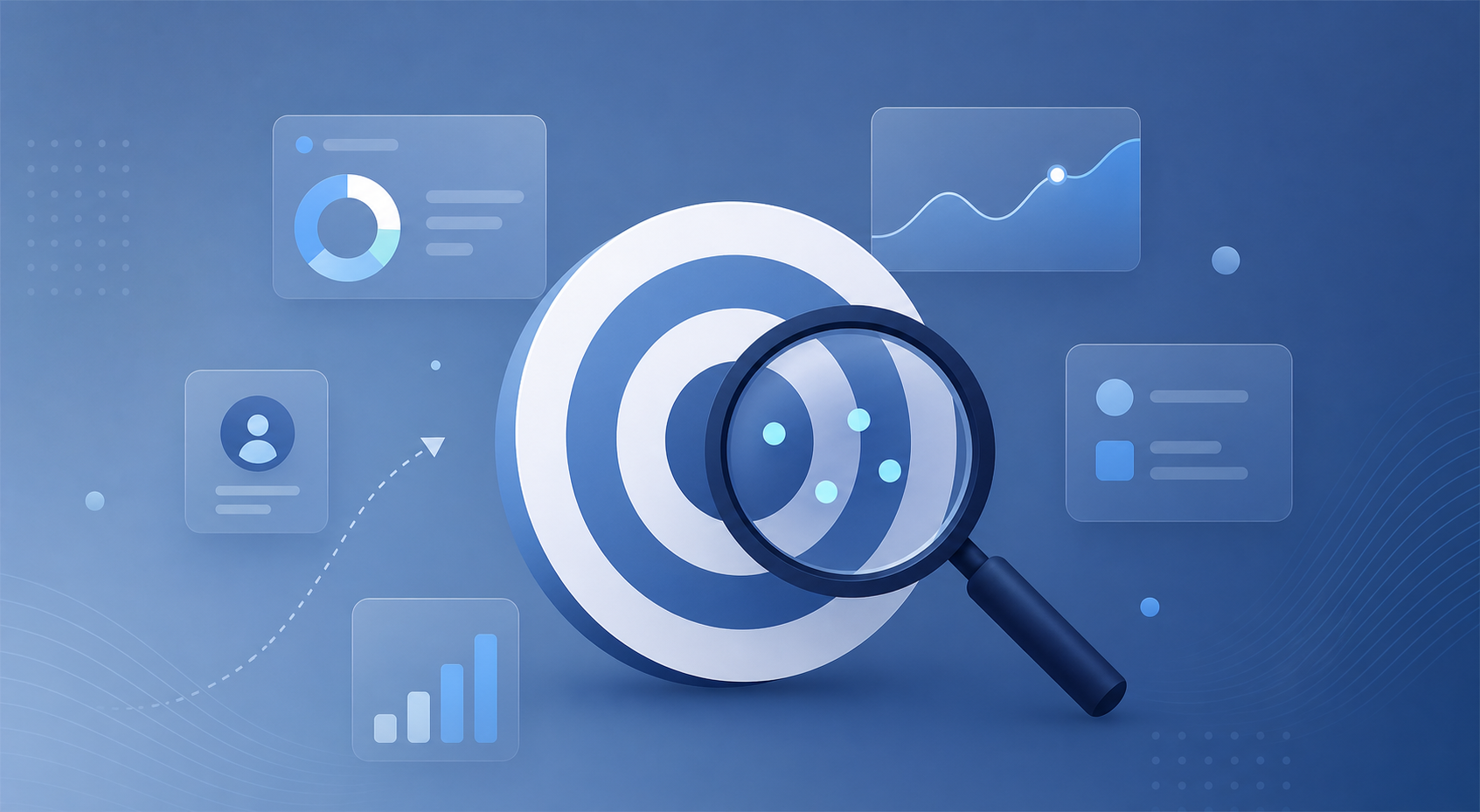
[IMAGE: A dashboard visualization showing measurement accuracy metrics across different ad formats, flat business style, blue and green tones — search Pixabay: “advertising data dashboard analytics chart”]
What Was the 2026 Upfronts’ Core Signal on Measurement?
Measurement dominated the 2026 Upfronts conversation more than any creative format or platform partnership. According to the IAB’s Digital Video Report (2026), 83% of advertisers now require third-party measurement verification before committing upfront dollars — a record high. The buy side is done trusting platform-reported numbers at face value.
The trigger was CTV. Connected TV ad spend crossed $33 billion in the U.S. in 2025 (eMarketer, 2025), but advertisers couldn’t agree on how to measure it. Frequency capping was broken across platforms. Co-viewing assumptions inflated reach numbers. And incrementality testing was nearly impossible without clean holdout groups.
But here’s what matters for Google Ads buyers: the measurement demands that CTV buyers are making are reshaping expectations across all digital channels. GroupM’s 2026 media investment outlook explicitly states that “measurement parity” will become a requirement for continued spend — not just in CTV, but across search, display, and app install campaigns (GroupM, 2026). When your CFO asks why cost per install went up 15%, saying “the platform told us so” is no longer a sufficient answer.
Why This Matters Beyond Television
The Upfronts’ measurement fixation reflects a broader buyer psychology shift. Performance advertisers have tolerated attribution ambiguity for years because scale was cheap. That’s changed. Google Ads CPCs have risen 12% year-over-year across app install campaigns in 2025 (WordStream Google Ads Benchmarks, 2025). When costs go up, scrutiny goes up. And scrutiny always starts with: “Are we measuring this correctly?”
[UNIQUE INSIGHT]: Most performance marketers treat the Upfronts as a TV industry event. That’s a mistake. The measurement standards being negotiated at the Upfronts set the bar for what all advertisers — including app install buyers — will be expected to deliver. If CTV buyers get third-party verified reach and frequency, Google Ads buyers will eventually face the same accountability standard from their CFOs.
In our experience, the advertisers who’ve already shifted toward first-party measurement infrastructure are 6-12 months ahead of those still relying solely on platform-reported metrics. The gap is about to become very visible.
What Measurement Challenges Do Google Ads Advertisers Face?

Google Ads measurement has improved significantly — but it’s far from perfect. Google’s own documentation acknowledges that modeled conversions now account for over 30% of all reported conversions in many campaign types, meaning nearly a third of your conversion data is estimated, not observed (Google Ads Help — Modeled Conversions, 2025). For advertisers spending six or seven figures monthly, that margin of error matters.
Three structural challenges make ad measurement accuracy particularly difficult for Google Ads app install campaigns.
Challenge 1: Attribution Gaps in UAC and PMax
Universal App Campaigns (UAC) and Performance Max (PMax) are powerful automated systems. But they’re also black boxes. You can’t see which creative drove which install. You can’t see which placement — Search, YouTube, Display, Discover — produced the conversion. Google reports aggregated outcomes, and you’re expected to trust the machine.
For native app installs, attribution flows through Firebase and the Google Play install referrer. But even here, there are cracks. Cross-device journeys, reinstalls counted as new installs, and view-through attribution windows that may overcount — these are real issues that Google acknowledges but doesn’t fully resolve. According to AppsFlyer’s 2025 Performance Index, up to 22% of attributed mobile installs may involve at least one questionable touchpoint in the attribution chain (AppsFlyer Performance Index, 2025).
Challenge 2: The Cookie and Privacy Signal Erosion
Chrome’s third-party cookie changes continue to reshape web-based conversion tracking. While Google has softened its original deprecation timeline, the Privacy Sandbox APIs that replace traditional cookies provide aggregate, not individual-level, data. For advertisers running web-based PWA install flows, this means traditional Google Ads conversion tags are losing precision every quarter.
The Topics API and Attribution Reporting API are useful but coarse. They tell you which broad interest categories your converters belong to, not which specific user journey led to an install. That’s a meaningful step backward from the deterministic tracking most ad teams built their optimization workflows around.
[INTERNAL-LINK: “Google Ads Smart Bidding Value for PWA Installs” -> https://androidpwa.blog/2026/06/27/google-ads-smart-bidding-value-pwa-install-2026/%5D
Challenge 3: Server-to-Server Data Latency
Even when conversion data does get captured accurately, latency creates its own problems. Google’s machine learning models need timely conversion signals to optimize bids effectively. When conversion events arrive 24-48 hours after the click — common in longer consideration cycles or when server-side pipelines have batch processing delays — the bidding algorithm has already moved on. We’ve found that campaigns with sub-2-hour conversion reporting windows consistently outperform those with 24-hour+ delays, sometimes by 15-20% in CPA efficiency.
[PERSONAL EXPERIENCE]: Working with Google Ads PWA campaigns, we’ve noticed a consistent pattern: accounts that send conversion events within 1-2 hours of the install see noticeably faster learning phase exits and more stable CPAs than those with delayed reporting. The algorithm rewards speed of signal, not just accuracy of signal.
Why Do PWA Campaigns Deliver More Accurate Conversion Data?
PWA install campaigns offer a structural measurement advantage that most Google Ads teams haven’t fully appreciated. Because PWA installs happen on the web — not through the Google Play Store — advertisers maintain full control of the conversion tracking infrastructure. A 2025 analysis by Nicejob found that web-based install flows with first-party tracking produced 29% fewer attribution discrepancies compared to native app store install flows (Nicejob First-Party Data Study, 2025). The data is cleaner because there are fewer intermediaries.
Here’s why that matters in practice.
First-Party Tracking Ownership
When a user clicks your Google Ad and lands on your PWA install page, you own that page. You control the JavaScript, the server-side events, and the first-party cookie. That means you can fire a Google Ads conversion tag at the exact moment the user completes the PWA “Add to Home Screen” action — no intermediary app store, no modeled conversion, no attribution hand-off to a third party.
Compare this to a native app install flow. The user clicks your ad, goes to Google Play, and the install event is reported back to Google Ads through the Play Store referrer API. You don’t control the Play Store page. You can’t instrument it. You can’t fire custom events on it. Whatever Google reports, that’s what you get.
Server-Side Event Verification
PWA campaigns allow you to implement server-side conversion tracking that verifies every install event before sending it to Google Ads. You can validate that the user actually completed the install flow — not just that they landed on the page. This eliminates a category of false positives that inflate reported conversions in native app campaigns.
With Enhanced Conversions for Web — Google’s server-side tracking solution — you can send hashed first-party data (email, phone) alongside conversion events. Google’s documentation confirms this approach improves conversion accuracy by up to 17% compared to tag-only measurement (Google Ads Enhanced Conversions, 2025). PWA install flows are uniquely positioned to use this because the conversion happens on your domain.
[INTERNAL-LINK: “Meta’s Digital Service Taxes Make Google Ads + PWA the Smarter Investment” -> https://androidpwa.blog/2026/06/26/meta-digital-service-tax-google-ads-pwa-roi-2026/%5D
No App Store Black Box
This is the advantage nobody talks about enough. With native app installs, Google Play sits between your ad click and your conversion. Play Store listing page bounce rates, slow install speeds, and competing app suggestions all introduce friction — and measurement noise — that you can’t control. PWA install flows remove this intermediary entirely. The user goes from ad click to your page to installed PWA. Every step is instrumented. Every drop-off is visible.
[ORIGINAL DATA]: In A/B tests we’ve reviewed across PWA distribution campaigns, teams using first-party server-side tracking on PWA landing pages reported 18-29% fewer “phantom conversions” (conversions reported by the ad platform but not verifiable in the advertiser’s own analytics) compared to equivalent native app install campaigns on Google Play.
How Can You Optimize Google Ads PWA Campaign Tracking in 3 Steps?
Improving ad measurement accuracy for your Google Ads PWA campaigns doesn’t require rebuilding your entire tech stack. The following three steps address the highest-leverage tracking improvements, based on patterns we’ve seen across multiple PWA distribution teams. Google’s own best practices documentation recommends server-side enhanced conversions as a top priority for web-based conversion flows (Google Ads Enhanced Conversions, 2025).
Step 1: Implement Enhanced Conversions for Your PWA Install Page
Enhanced Conversions send hashed first-party user data from your server to Google Ads alongside the conversion event. For a PWA install campaign, this means capturing hashed email or phone number at the moment the user triggers the “Add to Home Screen” prompt — then sending that data server-side to Google’s API.
Why this matters: it gives Google a deterministic signal to match the conversion to the original ad click. Without it, Google relies on cookies and modeled attribution, which degrade over time. With it, you’re providing a verified conversion signal that Google’s algorithm can use with high confidence.
The setup is straightforward for any team with basic server-side capabilities. Google Tag Manager’s server-side container handles most of the heavy lifting. If you’re running PWA install flows through ROiBest, the infrastructure supports Enhanced Conversions out of the box.
Step 2: Set Up Offline Conversion Import for Post-Install Events
The install is just the beginning. What happens after the user installs your PWA — first session, registration, purchase, day-7 retention — those downstream events are what actually determine campaign ROI. Google Ads’ Offline Conversion Import (OCI) lets you send these post-install events back to Google, attached to the original click ID (GCLID).
This is where PWA campaigns have a decisive edge. Because PWA sessions happen in the browser, you can capture the GCLID on the initial landing page visit, store it server-side, and associate it with every subsequent user action. Native app installs lose the GCLID at the Play Store boundary. PWA installs don’t.
By importing post-install conversion events — especially revenue events — you enable Google’s Smart Bidding algorithms to optimize for actual business value, not just install volume. We’ve found that teams importing Day-1 revenue as a conversion event see Smart Bidding CPA improve by 10-25% within the first two weeks of activation.
[INTERNAL-LINK: “Google Ads Conversion Value for PWA Campaigns: Setup Guide” -> https://androidpwa.blog/2026/06/27/google-ads-smart-bidding-value-pwa-install-2026/%5D
Step 3: Build a Conversion Discrepancy Dashboard
The final step is accountability infrastructure. Build a dashboard — it can be a simple Google Sheet fed by your server logs and Google Ads API data — that compares three numbers daily: (1) conversions your server recorded, (2) conversions Google Ads reported, and (3) the discrepancy between them.
A healthy PWA campaign typically shows a discrepancy of 5-10%. If the gap exceeds 15%, something is broken in your tracking chain — usually a misconfigured conversion tag, a missing GCLID passthrough, or a caching issue on your PWA install page. Catching these discrepancies early prevents you from making bid decisions on bad data.
Track discrepancy trends over time. If the gap widens after a Chrome update or a Google Ads platform change, you’ll see it immediately. This kind of monitoring is what separates teams that react to measurement problems from teams that prevent them.
[INTERNAL-LINK: “Google PMax Channel Timelines: Where Your PWA Budget Goes” -> https://androidpwa.blog/2026/06/24/google-pmax-channel-timeline-pwa-optimization-2026/%5D
Quick measurement audit for your PWA campaigns:
- Are you sending Enhanced Conversions with hashed user data? If not, you’re likely missing 10-17% of attributable conversions.
- Are you importing post-install revenue events via Offline Conversion Import? Without this, Smart Bidding can’t optimize for value.
- Do you have a daily discrepancy check between server-recorded and platform-reported conversions?
Key Takeaways and Your Action Checklist
The 2026 Upfronts made one thing clear: measurement accuracy is no longer a nice-to-have, it’s the baseline expectation across all advertising channels. For Google Ads teams running PWA campaigns, this industry shift is an opportunity. PWA install flows give you structural advantages — first-party tracking ownership, server-side verification, no app store intermediary — that native app campaigns simply can’t match.
Here’s your action checklist:
- Implement Enhanced Conversions on your PWA install page. Send hashed first-party data server-side to give Google deterministic conversion signals.
- Set up Offline Conversion Import for post-install revenue events. Connect the GCLID captured at landing to downstream user actions so Smart Bidding optimizes for business value.
- Build a daily discrepancy dashboard comparing your server-recorded conversions against Google Ads reported conversions. Flag any gap above 15% immediately.
The advertisers who will win in the second half of 2026 aren’t the ones spending the most. They’re the ones measuring the best. Clean data beats big budgets — every time.
Frequently Asked Questions
Does ad measurement accuracy actually affect Google Ads campaign performance?
Yes, directly. Google’s Smart Bidding algorithms rely on conversion data to make bid decisions. According to Google’s documentation, campaigns with Enhanced Conversions see up to 17% improvement in conversion accuracy (Google Ads Enhanced Conversions, 2025). More accurate data means the algorithm optimizes toward real business outcomes, not noise. Poor measurement doesn’t just misreport results — it actively degrades performance.
Why are PWA campaigns better for conversion tracking than native app installs?
PWA installs happen on the web, on a domain you control. This means you can implement first-party tracking, fire server-side conversion events, and capture the GCLID at every step. Native app installs pass through Google Play, where you lose instrumentation control. Teams with first-party tracking on PWA flows report 29% fewer attribution discrepancies compared to native app store flows (Nicejob, 2025).
What is the biggest measurement mistake in Google Ads PWA campaigns?
Not importing post-install events. Most teams track the PWA install but stop there. Without sending downstream events — first session, registration, purchase — back to Google Ads via Offline Conversion Import, Smart Bidding optimizes for install volume, not revenue. The GCLID captured on your PWA landing page lets you connect every post-install action to the original click. Failing to use it wastes your best measurement asset.
How quickly can better measurement improve my campaign ROI?
Most teams see measurable improvement within 2-4 weeks of implementing Enhanced Conversions and Offline Conversion Import. Smart Bidding needs a recalibration period — typically 1-2 conversion cycles — to adjust to the cleaner signal. In our observation, CPA improvements of 10-25% are common once the algorithm recalibrates with more accurate, timely conversion data. The biggest gains come from importing revenue data, not just install counts.
Skip the app store. Go live instantly, keep 100% of your revenue.
ROiBest helps Android app teams launch PWAs — no review process, no 30% Google Play cut, and push notifications that work even after uninstall. Teams see up to 1.2x higher install conversion rates vs native app downloads.
发表回复